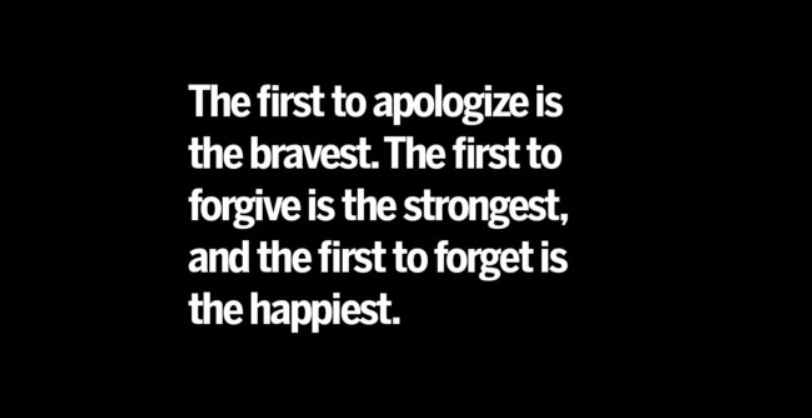
In the journey towards self-improvement and building deeper connections with others, forgiveness emerges as a cornerstone for nurturing trust, fostering genuine relationships, and paving the way for success and happiness. The act of forgiveness, often misconstrued as a sign of weakness, is, in reality, a profound strength that liberates us from the shackles of the past and propels us towards a brighter future.
The Weight of Grudges
Holding onto grudges and resentment is like carrying a heavy burden that weighs down our spirits and hampers our ability to move forward. Imagine working with a colleague who harbors resentment over a misunderstanding that occurred years ago. The atmosphere becomes charged with negativity, impeding teamwork, and stifling growth. On the other hand, envision a scenario where both parties choose to forgive, acknowledge their shared goal, and collaborate with renewed vigor. The difference is palpable, illustrating how forgiveness can transform a toxic environment into a thriving one.
Real-Life Examples of the Power of Forgiveness
- In the Workplace: Sarah, a project manager, was once overlooked for a promotion in favor of a less experienced colleague due to an oversight by her supervisor. Instead of harboring resentment, Sarah chose to forgive and focus on her personal growth and contributions. Her positive attitude and improved performance did not go unnoticed, leading to her eventual promotion and a strengthened relationship with her supervisor, who acknowledged the mistake and valued Sarah’s graciousness.
- In Personal Relationships: John and Mike were lifelong friends who had a falling out over a misunderstanding. For years, they let this rift create a void in their lives. When John took the first step towards reconciliation by extending forgiveness, they were able to mend their friendship, rediscovering the joy and support they had missed for so long. Their story is a testament to how forgiveness can heal and restore valuable relationships.
- Within Oneself: Emma had always been her own harshest critic, dwelling on her past mistakes and struggling with self-forgiveness. This self-imposed guilt hindered her confidence and growth. The day Emma chose to forgive herself, she unlocked a new level of self-acceptance and motivation. This shift not only improved her self-esteem but also enhanced her interactions with others, as she became more compassionate and understanding.
The Path to Forgiveness
Forgiving does not mean forgetting or condoning wrongdoings. It means consciously deciding to let go of resentment and anger, which serve no purpose other than to poison our well-being and relationships. It requires setting clear boundaries and learning from the past to ensure a healthier future.
Conclusion
Embracing forgiveness is a gift you give yourself and those around you. It’s about breaking free from the past, cherishing the present, and welcoming the future with open arms. By choosing forgiveness, we foster an environment of trust, respect, and mutual growth, both personally and professionally. Let us all strive to be individuals who are remembered not for the grudges we held but for the grace and forgiveness we extended. In doing so, we not only enrich our lives but also contribute to a more compassionate and understanding world.


