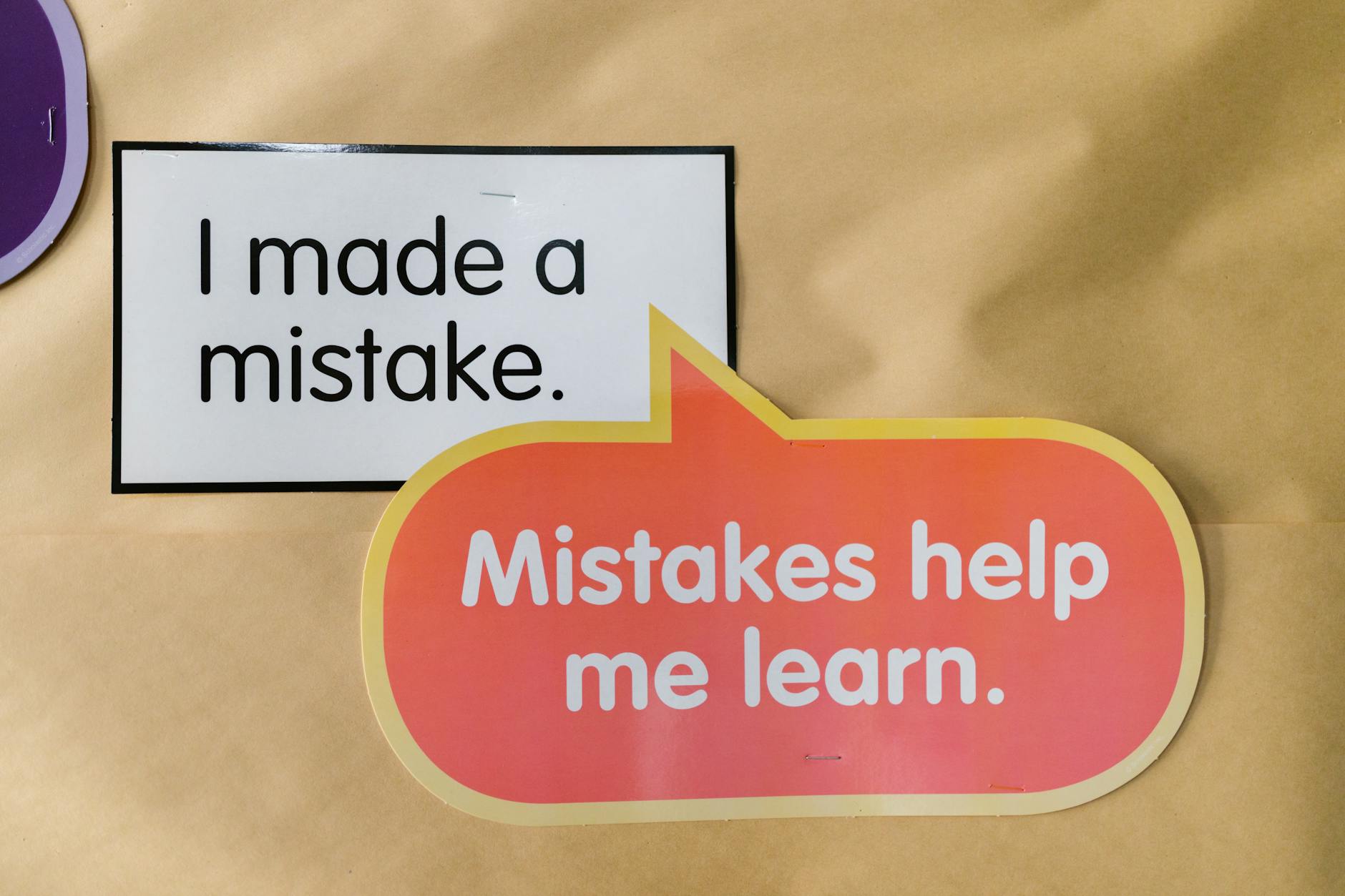
In the realm of personal and professional development, acknowledging and correcting our mistakes stands as a testament to our integrity and commitment to growth. Far from being a sign of weakness, the ability to own up to our errors is a hallmark of character strength, fostering trust and strengthening relationships in all spheres of our lives.
The Power of Admission
Imagine a scenario where a project deadline was missed due to an oversight on your part. The natural instinct might be to find excuses or shift the blame to external factors. However, consider the alternative approach of taking full responsibility. This act of courage not only clears the air but also sets a precedent for a culture of openness and honesty within your team or family. It demonstrates that you value integrity over saving face, a quality that earns respect and fosters a sense of security among peers and loved ones.
The Ripple Effect of Acknowledging Mistakes
- Professional Environment: John, a team leader, made a significant error in a client proposal that could have cost the company a valuable contract. Instead of concealing his mistake, John admitted it to his team and management, outlining his plan to rectify the error. His honesty not only salvaged the client relationship but also reinforced a culture of accountability within his team. Colleagues who were once hesitant to admit their mistakes began to follow suit, leading to a more collaborative and transparent work environment.
- Personal Relationships: Sarah, realizing she had forgotten her friend’s birthday, chose to admit her mistake and apologize sincerely, rather than making excuses about her busy schedule. This simple act of acknowledgment and the effort to make amends deepened the trust and bond between Sarah and her friend, proving that relationships grow stronger when built on the foundation of honesty.
- Daily Interactions: Imagine a situation where you accidentally spill coffee on a stranger’s shirt. The immediate reaction of apologizing and offering to cover the cleaning costs is a small but powerful example of taking responsibility for our actions. This not only mitigates the awkwardness but also leaves a lasting impression of your character on the stranger.
The Cycle of Continuous Improvement
Admitting our mistakes is just the first step; learning from them and ensuring they are not repeated is crucial for personal and professional development. This cycle of recognition, correction, and learning is what propels us forward, enabling us to build stronger, more resilient relationships and a reputation of reliability and trustworthiness.
Conclusion
The journey towards becoming individuals who positively influence those around us is paved with the humility to recognize our faults and the courage to correct them. By embracing our imperfections and demonstrating the willingness to learn from them, we not only enhance our personal growth but also enrich our relationships with a foundation of trust and genuine connection. Let us commit to this path of continuous improvement, where acknowledging and learning from our mistakes becomes our strength, not our downfall.


