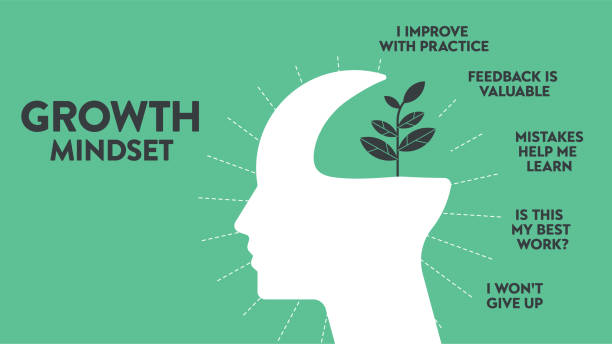
In the dynamic world of business, continuous improvement is essential for success. For experienced professionals and business owners, fostering a growth mindset can be the key to overcoming challenges and driving sustained progress. A growth mindset, as coined by psychologist Carol Dweck, is the belief that abilities and intelligence can be developed through dedication and hard work. Here are five real-life examples to illustrate how adopting a growth mindset can lead to continuous improvement.
1. Embracing Challenges
Example: Emma, the Operations Manager
Emma, an operations manager with 12 years of experience, faced a significant challenge when her company decided to implement a new enterprise resource planning (ERP) system. Instead of resisting the change, Emma embraced the challenge as an opportunity to learn and grow. She attended training sessions, sought help from experts, and encouraged her team to do the same. As a result, Emma and her team mastered the new system, leading to increased efficiency and streamlined operations.
Takeaway: Embracing challenges with a positive attitude can turn obstacles into opportunities for growth and improvement.
2. Learning from Criticism
Example: David, the Sales Director
David, a sales director, received critical feedback from his peers regarding his management style. Instead of becoming defensive, David viewed the criticism as constructive feedback. He actively sought more input from his team and enrolled in leadership development courses. By applying the lessons he learned, David improved his leadership skills, resulting in a more motivated and cohesive sales team.
Takeaway: Viewing criticism as a valuable source of feedback can help you identify areas for improvement and drive personal and professional growth.
3. Persisting in the Face of Setbacks
Example: Sarah, the Product Development Lead
Sarah, a product development lead, experienced several setbacks during the launch of a new product. Despite the failures, Sarah maintained her focus and determination. She analyzed what went wrong, made necessary adjustments, and continued to push forward. Her persistence paid off when the product eventually launched successfully, becoming one of the company’s top sellers.
Takeaway: Persistence and resilience in the face of setbacks can lead to eventual success and continuous improvement.
4. Finding Inspiration in Others’ Success
Example: Michael, the Chief Technology Officer
Michael, a CTO, found himself inspired by the success stories of other tech leaders. Instead of feeling envious, he used their achievements as motivation to push his own boundaries. He attended industry conferences, networked with successful peers, and adopted best practices from top-performing companies. This inspiration drove Michael to innovate and elevate his company’s technological capabilities.
Takeaway: Drawing inspiration from others’ success can fuel your own ambition and drive for continuous improvement.
5. Cultivating a Love for Learning
Example: Linda, the Human Resources Director
Linda, an HR director with 15 years of experience, always had a passion for learning. She regularly attended workshops, read industry publications, and pursued advanced certifications. Her love for learning kept her skills sharp and enabled her to implement innovative HR practices that improved employee engagement and retention. Linda’s commitment to continuous learning set a positive example for her team and contributed to the company’s overall success.
Takeaway: Cultivating a love for learning and staying curious can keep you ahead of the curve and drive continuous improvement.
Conclusion
Developing a growth mindset is crucial for continuous improvement in the business world. By embracing challenges, learning from criticism, persisting in the face of setbacks, finding inspiration in others’ success, and cultivating a love for learning, you can foster a culture of growth and development. These strategies not only enhance your own capabilities but also inspire those around you to strive for excellence.
Feel free to share your thoughts and experiences on developing a growth mindset for continuous improvement. Let’s connect and learn from each other to become more effective leaders.

 Benefacto Consulting