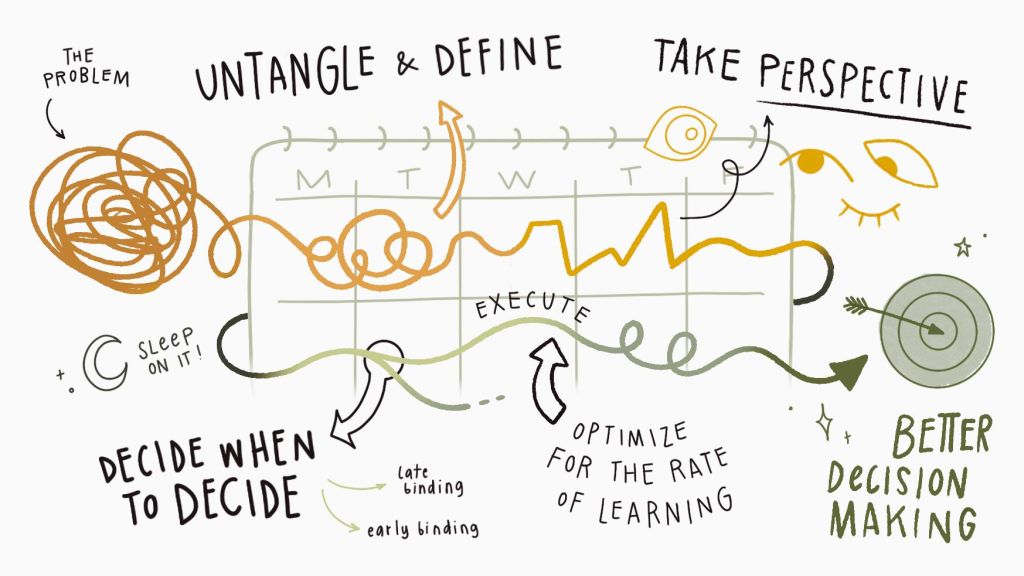
Effective decision-making under pressure is a vital skill for experienced professionals and business owners. It can significantly enhance the customer journey, improve employee retention, and foster a motivating work culture. Here are practical strategies, illustrated with real-life examples, to help you make sound decisions even in high-pressure situations.
1. Stay Calm and Composed
Example: Sarah, the Project Manager
Sarah, a project manager, faced a crisis when a critical project hit unexpected roadblocks close to the deadline. Instead of panicking, she took a deep breath and stayed calm. Sarah organized a quick meeting with her team to assess the situation and brainstorm solutions. Her composure helped her team stay focused and find a viable solution, ultimately delivering the project on time.
Takeaway: Staying calm and composed allows you to think clearly and make rational decisions, even under pressure.
2. Gather Relevant Information Quickly
Example: John, the Operations Director
John, an operations director, encountered a sudden equipment failure that halted production. He quickly gathered relevant information by consulting with his technical team, reviewing maintenance logs, and assessing the impact on production. With accurate and timely information, John made an informed decision to implement a temporary fix while arranging for a permanent solution, minimizing downtime.
Takeaway: Gathering relevant information quickly enables you to make informed decisions that effectively address the issue.
3. Prioritize and Delegate
Example: Maria, the Sales Executive
Maria, a sales executive, was overwhelmed with multiple urgent tasks during a critical sales period. She prioritized the tasks based on their impact on the sales targets and delegated less critical tasks to her team members. By focusing on high-priority tasks and leveraging her team’s strengths, Maria successfully met the sales targets without compromising quality.
Takeaway: Prioritizing tasks and delegating responsibilities helps manage workload efficiently and ensures critical tasks are addressed promptly.
4. Trust Your Instincts
Example: David, the CEO
David, the CEO of a startup, had to make a quick decision on a potential partnership that could significantly impact the company’s growth. Despite the limited time for thorough analysis, David trusted his instincts based on his experience and the preliminary data available. His decision to go ahead with the partnership paid off, leading to substantial business growth and new opportunities.
Takeaway: Trusting your instincts, especially when based on experience and initial data, can lead to effective decision-making under pressure.
5. Reflect and Learn from Past Experiences
Example: Linda, the Marketing Leader
Linda, a marketing leader, reflected on past experiences to make better decisions in high-pressure situations. She reviewed previous projects, identified what worked and what didn’t, and applied those lessons to current challenges. This reflective practice enabled Linda to make more confident and informed decisions, reducing the likelihood of repeating past mistakes.
Takeaway: Reflecting on past experiences and applying learned lessons enhances decision-making skills and builds confidence.
Conclusion
Effective decision-making under pressure involves staying calm, gathering relevant information quickly, prioritizing and delegating tasks, trusting your instincts, and reflecting on past experiences. By mastering these strategies, you can enhance your leadership skills, improve team performance, and drive business success even in challenging situations.
Feel free to share your thoughts and experiences on effective decision-making under pressure. Let’s connect and support each other in our professional journeys.
#DecisionMaking #Leadership #CrisisManagement #ProfessionalGrowth #BusinessSuccess #StressManagement #ProblemSolving #TeamLeadership #EffectiveLeadership #CareerDevelopment

 Benefacto Consulting