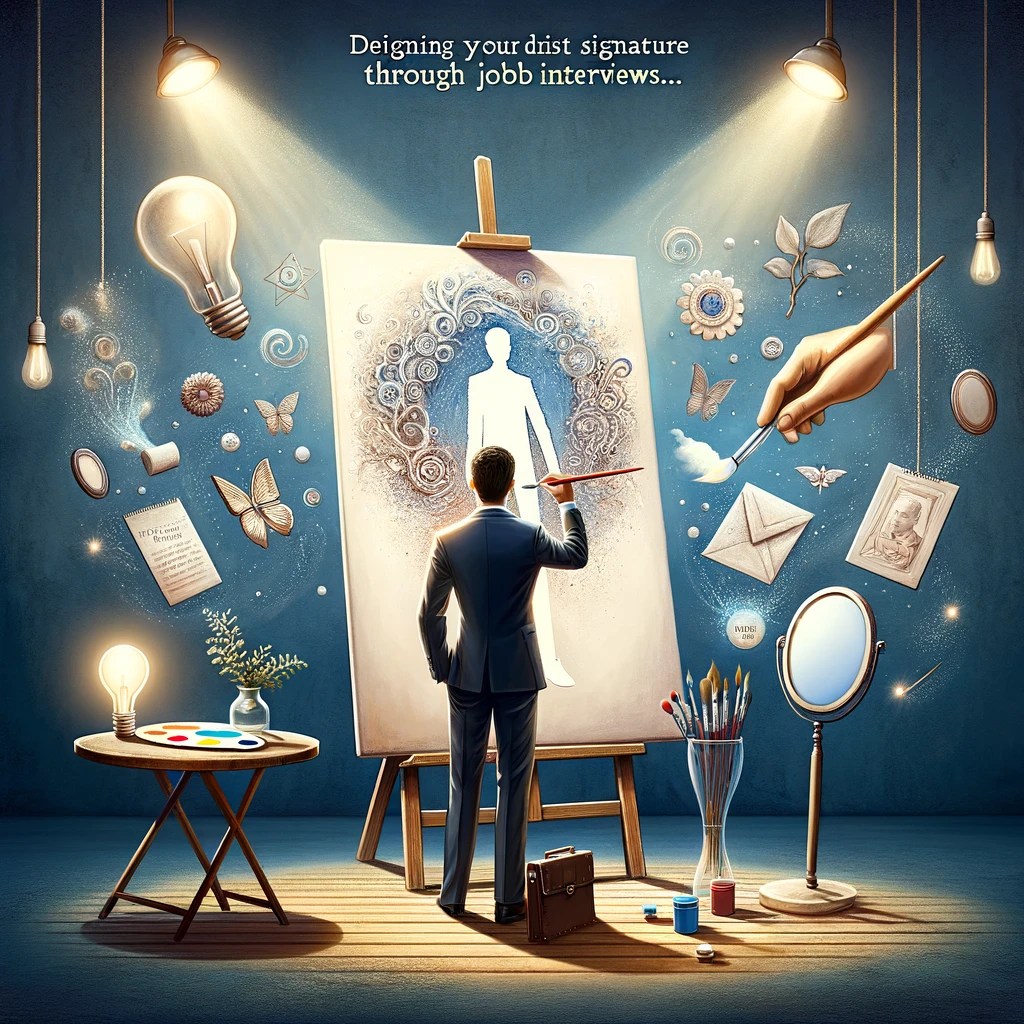
In the vast and vibrant tapestry of the professional world, where countless individuals vie for their spot under the sun, personal branding emerges not just as a tool but as a necessity. It is the art of distinctly positioning yourself, conveying your unique value proposition, and leaving a memorable imprint on your audience. This concept transcends mere self-promotion, reaching into the essence of who you are, what you stand for, and how you wish to be perceived in the professional arena. Whether you’re a spirited teenager embarking on your first job hunt, a startup owner pitching to discerning investors, a young professional aiming for a leap in your career, or a mid-level manager seeking to ascend the corporate ladder, understanding and leveraging personal branding can be your key to unlocking doors to opportunities. Let’s explore how you can craft and communicate your unique value proposition through personal branding, illustrated with real-life examples to guide your journey.
Unveiling Your Unique Value Proposition
At the heart of personal branding lies your unique value proposition (UVP) – a clear, compelling statement that describes the unique benefit you offer, why you’re the best person for the job, and how you differentiate from the competition. It’s about identifying and harnessing your strengths, passions, and the unique blend of experiences that you bring to the table.
Example 1: The Aspiring Young Professional
Take, for instance, Ayesha, a recent graduate with a passion for sustainable business practices. In a sea of business graduates, Ayesha distinguished herself by focusing on her unique blend of academic excellence, internship experiences with non-profits focusing on sustainability, and a genuine passion for eco-friendly business solutions. For her interviews, she crafted a UVP that highlighted her unique perspective on integrating sustainability into business strategies, positioning herself as an asset to companies looking to enhance their sustainability efforts. Her personal branding not only set her apart but resonated deeply with a startup focused on eco-friendly products, leading to a job offer.
Example 2: The Startup Owner
Then there’s Carlos, a startup owner in the competitive tech industry. Carlos knew that to attract investment, he needed more than just a groundbreaking product; he needed to sell his vision and himself as the visionary leader capable of turning this vision into reality. He developed a personal brand that highlighted his innovative thinking, resilience in the face of challenges, and a track record of leading teams to success. By communicating his UVP effectively, Carlos not only secured funding but also formed valuable partnerships, propelling his startup forward.
Example 3: The Mid-Level Manager
Lastly, consider Priya, a mid-level manager eyeing a directorial position. With many contenders possessing similar technical skills, Priya leveraged her personal branding to spotlight her exceptional team-building abilities, her knack for fostering a culture of innovation, and her successful track record of leading cross-functional projects to fruition. Her UVP resonated with the company’s need for a leader who could unite diverse teams towards a common goal, earning her the promotion.
Incorporating Personal Branding Into Your Strategy
- Identify Your Strengths and Passions: Reflect on what you excel at and what drives you. This forms the foundation of your UVP.
- Articulate Your UVP: Craft a concise, impactful statement that encapsulates your unique strengths and how they benefit potential employers or partners.
- Communicate Consistently: Whether on your resume, LinkedIn profile, or in interviews, ensure your personal brand is consistently communicated across all touchpoints.
Conclusion
Personal branding is more than a buzzword; it’s a strategic approach to setting yourself apart in a competitive job market. By crafting and communicating your unique value proposition, you not only enhance your visibility but also establish a strong, memorable identity that resonates with employers and stakeholders. Remember, in the realm of professional journeys, those who master the art of personal branding don’t just find opportunities—they create them. Embrace your unique narrative and let your personal brand open doors to a world of possibilities.

 Benefacto Consulting