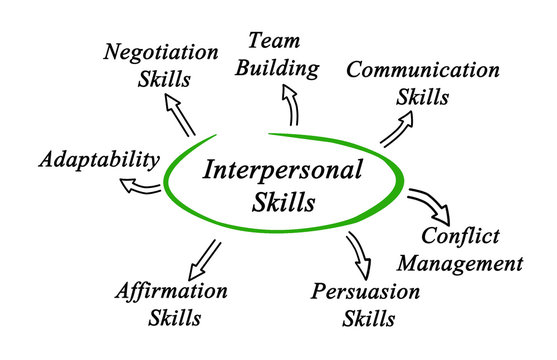
In the intricate dance of human interaction, the ability to communicate effectively is more than just a valuable skill—it’s a foundational element that influences every facet of our personal and professional lives. Interpersonal communication is not merely an exchange of information; it’s a complex process involving the sending and receiving of messages, both verbal and non-verbal, that can build or break connections with others. Understanding and mastering the principles of interpersonal communication can lead to more meaningful relationships, enhanced trust, and deeper connections.
The Inevitability of Communication
One of the most fundamental aspects of interpersonal communication is its inescapable nature. Whether we choose to speak or remain silent, we are constantly communicating. Our non-verbal cues, such as body language, facial expressions, and even our silence, speak volumes. This principle highlights the importance of being mindful of our non-verbal signals as much as our verbal ones. For instance, a manager who actively listens to their team members, maintaining eye contact and nodding in understanding, communicates respect and attentiveness, fostering a more open and trusting team environment.
The Irreversible Nature of Communication
Once a message is conveyed, it cannot be taken back. This irreversible nature of communication underscores the need for thoughtfulness and consideration before we speak or act. Reflecting on this principle can prevent misunderstandings and regrets in our interactions. Imagine apologizing to a colleague for a hastily sent email that was misinterpreted. While the apology is valuable, the initial impact of the message creates ripples in the trust and rapport between you and your colleague, demonstrating the lasting effects of our communicative actions.
The Complexity of Communication
Communication is inherently complex, influenced by numerous variables such as language, context, personal biases, and environmental factors. This complexity means that misunderstandings are not only possible but likely. Therefore, approaching communication with an open mind and a willingness to clarify and understand is crucial. Consider a scenario where two team members come from different cultural backgrounds, leading to different interpretations of a casual remark. Recognizing and addressing this misunderstanding through open dialogue can turn a potential conflict into an opportunity for learning and growth.
The Contextual Nature of Communication
Every communication occurs within a specific context that shapes its purpose and understanding. Ignoring the context can lead to failed communication. Being aware of the timing, location, and misconceptions that might influence the interaction can make a significant difference. For example, discussing a sensitive topic with a colleague in a noisy and crowded office space may not yield the desired outcome. Choosing a quiet, private setting can facilitate a more effective and meaningful conversation.
Practical Applications in Daily Life
- Openness in Personal Relationships: Start conversations with family or friends without preconceived notions or judgments. This openness encourages genuine dialogue and strengthens bonds.
- Mindfulness in Professional Settings: Before a meeting, take a moment to consider the context, objectives, and the diverse perspectives of those involved. This preparation ensures more productive and inclusive discussions.
- Active Listening: Whether in a personal or professional context, practice active listening. Reflect on what is being said and ask clarifying questions. This not only enhances understanding but also shows respect and value for the speaker’s viewpoint.
Conclusion
Interpersonal communication is a multifaceted skill set that demands ongoing attention and development. By understanding and applying the basic principles of communication, we can navigate the complexities of human interactions more effectively. This not only improves our personal and professional relationships but also opens the door to a world of deeper understanding and connection. As we continue to refine our communication skills, we pave the way for a life filled with richer interactions, greater empathy, and enhanced trust.

 Benefacto Consulting